Last updated: 29 September 2026 · Written by the Feel Supreme wellness team · Reviewed for UK health-claim compliance
Quick answer: You raise testosterone naturally by fixing the basics that suppress it: poor sleep, excess body fat, chronic stress, too much alcohol and too little strength training. Correcting a zinc deficiency helps too — zinc contributes to the maintenance of normal testosterone levels in the blood. There's no safe overnight fix; expect changes over weeks, not days.
Search "how to increase testosterone naturally" and you'll drown in miracle pills and 24-hour hacks. The reality is less dramatic but more useful: your testosterone responds to how you sleep, train, eat, drink and handle stress. Get those right and you support your body's own hormone production. No supplement replaces them — and in the UK, no supplement is even allowed to claim it "boosts" testosterone.
This guide covers what genuinely moves the needle, what works fastest, and where supplements honestly fit. We'll be straight about which ingredients have recognised evidence and which are traditional-use only.
First: do you actually have low testosterone?
Before changing anything, it's worth knowing whether low testosterone (sometimes called low T, hypogonadism or, loosely, the "male menopause") is really the issue. Common signs of genuinely low levels include persistent fatigue, low libido, erectile difficulties, loss of muscle mass, low mood and poor concentration — but these overlap with stress, poor sleep and other conditions.
The only way to know is a blood test measuring total and free testosterone, usually taken in the morning. If you have these symptoms, see your GP and ask to be tested rather than self-diagnosing. Low testosterone can have medical causes that lifestyle changes won't fix, and the NHS guidance on the "male menopause" is a sensible starting point.
The levers that actually raise testosterone naturally
These are ordered roughly by impact. None is exotic — which is exactly why they work.
Sleep — the biggest free lever
Most of your daily testosterone is released while you sleep. Cutting sleep to five hours a night has been shown to measurably lower young men's testosterone. Aim for seven to nine hours of good-quality sleep. If you fix one thing this week, fix this.
Lose excess body fat
Body fat — especially around the middle — converts testosterone into oestrogen via the enzyme aromatase. Carrying excess weight is one of the strongest predictors of low testosterone, and losing it is one of the most reliable ways to raise it. This is where diet and training compound.
Lift heavy things
Resistance training, particularly compound movements like squats, deadlifts and presses, produces an acute testosterone response and supports healthy levels long term by building muscle and cutting fat. Overtraining without recovery does the opposite, so progressive, consistent training beats punishing yourself daily.
Eat enough — and enough of the right things
Very low-calorie or very low-fat diets can suppress testosterone. Prioritise adequate protein to maintain muscle, healthy fats (testosterone is made from cholesterol), and plenty of micronutrient-rich vegetables. Crash dieting to lose fat can backfire hormonally — aim for a sustainable deficit, not starvation.
Get stress and cortisol under control
Cortisol, your main stress hormone, works in opposition to testosterone — chronically high cortisol suppresses it. Managing stress isn't fluffy advice here; it's hormonal housekeeping. Sleep, training and time away from screens all help lower it.
Rein in alcohol
Heavy or regular drinking lowers testosterone and impairs the testes' ability to produce it. You don't need to be teetotal, but cutting back is one of the faster wins on this list.
Fix nutrient gaps: zinc, vitamin D, magnesium
Deficiencies drag hormones down, and correcting them helps — though topping up beyond normal levels won't push testosterone higher.
- Zinc: Zinc contributes to the maintenance of normal testosterone levels in the blood — an officially recognised role. It also supports normal fertility and reproduction. Most useful if your intake is low.
- Vitamin D: Widespread deficiency in UK adults, especially in winter. Research links low vitamin D with lower testosterone, though the evidence is still developing. The NHS recommends a daily vitamin D supplement in the autumn and winter regardless.
- Magnesium and vitamin B6: Magnesium supports normal muscle function and helps reduce tiredness and fatigue, while vitamin B6 contributes to the regulation of hormonal activity.
Cover the one mineral with a recognised testosterone role
Our Zinc & Vitamin C is a simple, low-cost way to keep your zinc topped up.
How to increase testosterone levels quickly
Let's be honest about "quickly." There is no safe way to spike testosterone overnight with natural methods, and anything promising that is selling you something. What you can do is remove the things actively suppressing it — and some of those respond within days to a couple of weeks:
- Sleep properly tonight and every night this week. The fastest single change most men can make.
- Cut the alcohol right back. Reducing a heavy intake eases the load on your testes quickly.
- Lower acute stress. Bringing cortisol down takes pressure off testosterone.
- Correct an obvious deficiency. If your zinc or vitamin D is genuinely low, replacing it helps sooner rather than later.
- Start training and moving. The muscle-building and fat-loss effects build over weeks, but you start the process now.
What to avoid: anabolic steroids and self-prescribed testosterone bought online. These can shut down your own production, harm fertility and carry real health risks. Testosterone replacement therapy (TRT) is a legitimate medical treatment — but one for a doctor to prescribe and monitor, not a shortcut to order yourself.
Where supplements honestly fit
Supplements are the smallest lever here, not the biggest — despite being marketed as the opposite. In the UK, only a couple of nutrients carry an authorised health claim relevant to male hormones, and no botanical "test booster" is permitted to claim it raises testosterone. Here's the honest split.
Nutrients with recognised roles: zinc (maintenance of normal testosterone levels in the blood) and vitamin B6 (regulation of hormonal activity). These are the compliant, evidence-backed picks — most valuable when your diet is short on them.
Traditional-use botanicals: shilajit, ashwagandha, tongkat ali, fadogia agrestis and cordyceps are popular in men's supplements and have centuries of traditional use, but they carry no authorised UK health claim for testosterone, so we won't tell you they boost it. Some have interesting early research; none is settled science. We stock them because people want to explore them — with realistic expectations.
For a fuller breakdown of these ingredients and the evidence behind them, see our companion guide: natural testosterone booster supplements — what actually works. We also go deeper on two of them in shilajit benefits for men and ashwagandha for stress and anxiety.
At a glance: nutrients and ingredients
| Nutrient / ingredient | What it supports | Authorised GB testosterone/hormone claim? | At Feel Supreme |
|---|---|---|---|
| Zinc | Maintenance of normal testosterone levels in the blood; fertility and reproduction | Yes | Zinc & Vitamin C |
| Vitamin B6 | Regulation of hormonal activity | Yes | Energy range |
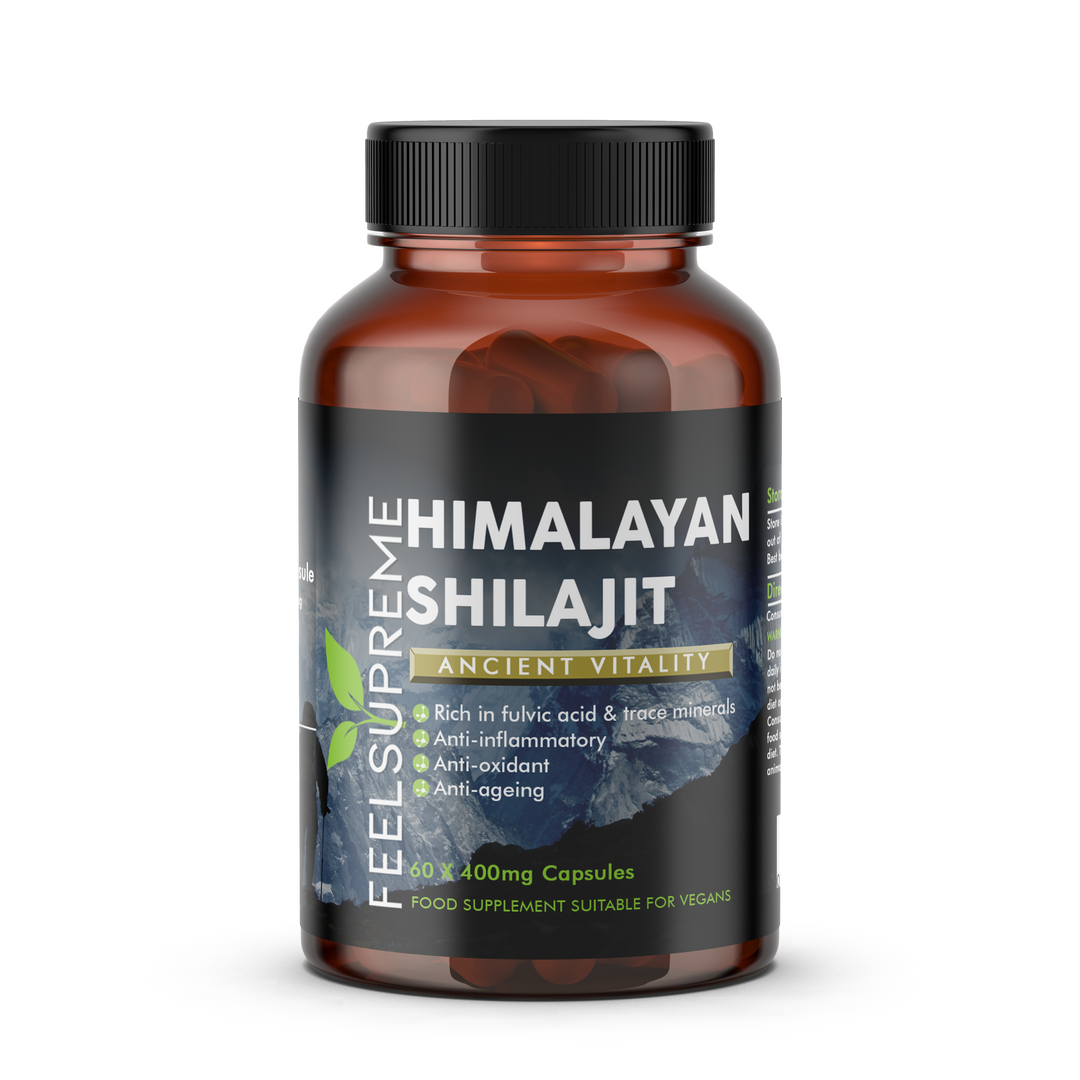
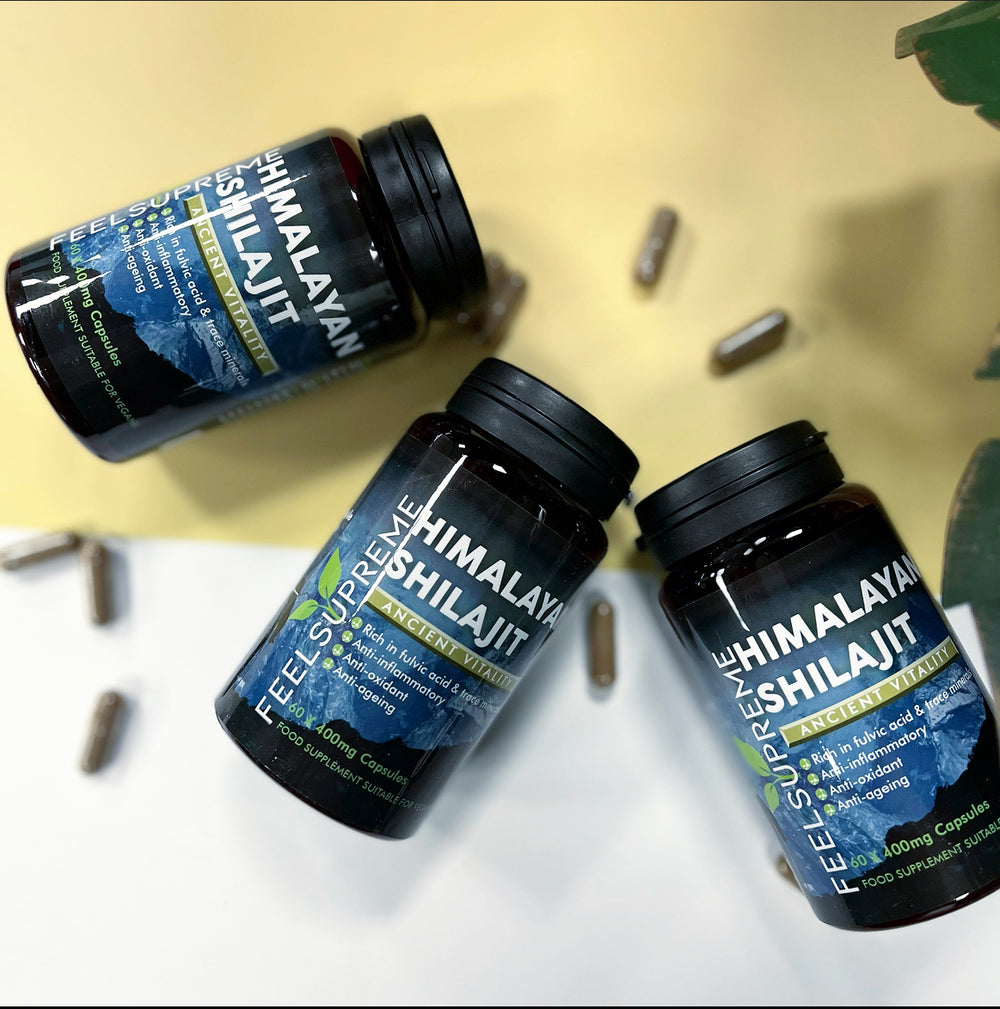
| Shilajit | Traditionally used for male vitality and energy | No | Shilajit Capsules · Shilajit Resin |
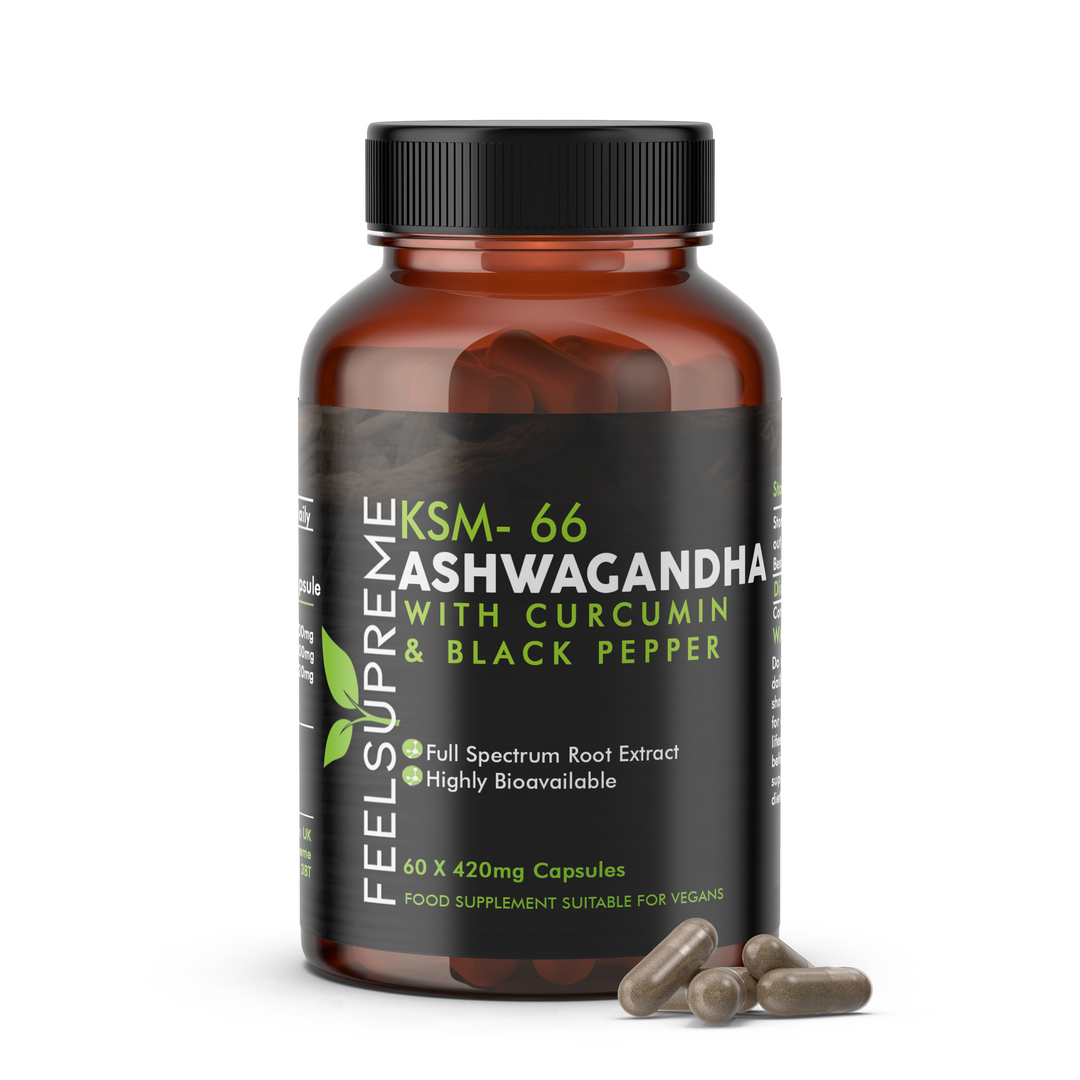
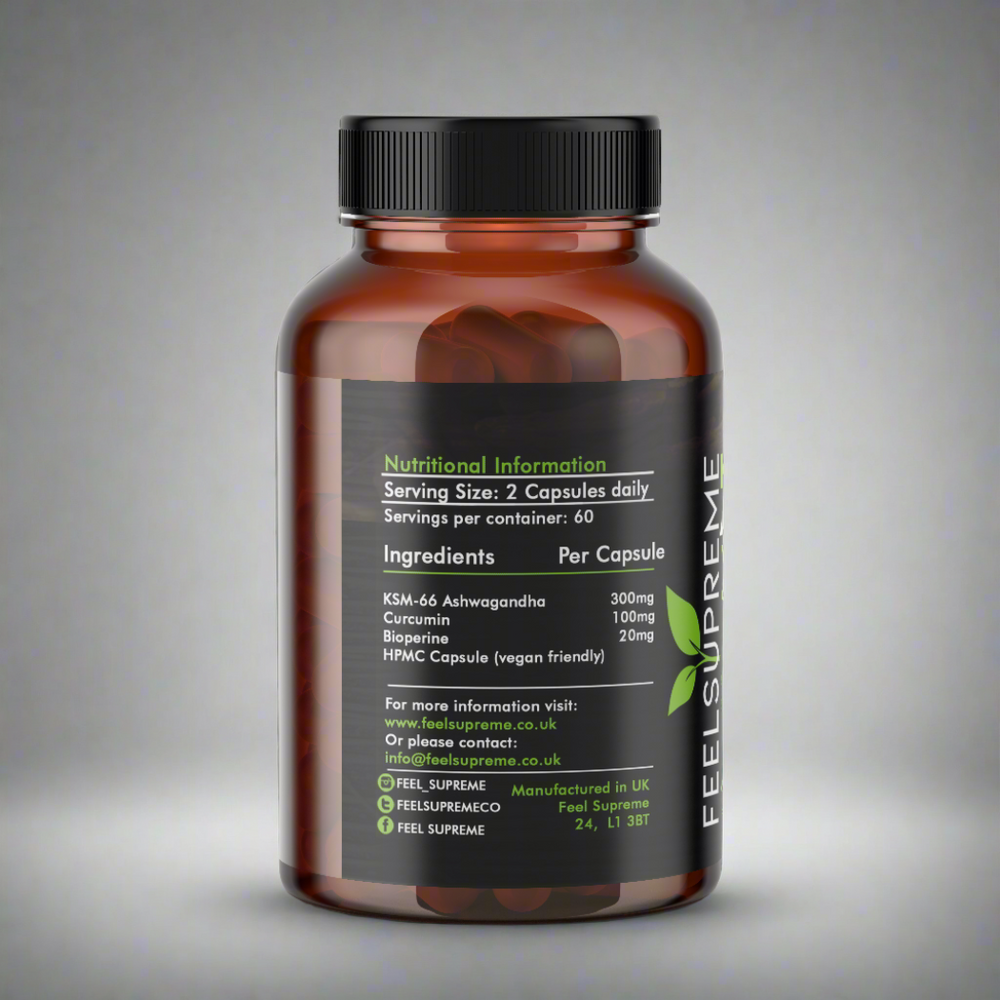
| Ashwagandha | Traditionally used for stress and resilience | No | KSM66 Ashwagandha |
| Tongkat ali / fadogia | Traditionally used to support male vitality | No | Tongkat Ali & Fadogia |
| Cordyceps | Traditionally used for energy and stamina | No | Cordyceps Capsules |
Straight talk: if a product promises to "skyrocket" your testosterone, be sceptical. The lifestyle levers above do the heavy lifting. Supplements can support the basics — a zinc top-up, a traditional botanical you want to try — but they're the finishing touch, not the foundation.
Explore the relevant Feel Supreme collections
If you want to browse by goal, these are the collections that map to this topic:
- Natural Testosterone Boosters UK — the traditional-use botanicals in one place
- Men's Health Supplements — the broader men's range
- Shilajit Supplements — capsules and resin
- Vitamins & Supplements for Energy — zinc, B-vitamins and more
- Athletic Performance Supplements — for the training side of the equation
How to put it together
- Sleep seven to nine hours — non-negotiable, and free.
- Strength train two to four times a week and stay active daily.
- Lose excess body fat with a sustainable diet built on protein, healthy fats and vegetables.
- Cut back alcohol and manage stress.
- Top up the gaps — a zinc supplement and, in winter, vitamin D. Add a botanical from the testosterone boosters range only if you want to, and with realistic expectations.
- Get tested if symptoms persist.
What supplements can't do — and when to see a GP
No supplement, natural or otherwise, restores testosterone the way medical treatment can when levels are genuinely low. Supplements support normal function and fill nutrient gaps — that's the ceiling. Persistent fatigue, low libido, erectile problems or mood changes deserve a proper assessment, not a stack of capsules.
See your GP if these symptoms are ongoing, if you're considering TRT, or before starting supplements while on medication or with a health condition. Genuinely low testosterone is treatable, but it needs a diagnosis first.
Frequently asked questions
How can I increase my testosterone naturally?
Prioritise sleep, strength training, a healthy body-fat level, a balanced diet with enough protein and healthy fats, lower alcohol and managed stress. Correcting a zinc deficiency helps, as zinc contributes to the maintenance of normal testosterone levels in the blood. These basics matter far more than any single supplement.
How can I raise testosterone quickly?
There's no safe overnight fix. The fastest natural wins are improving your sleep, cutting back alcohol, lowering acute stress and correcting an obvious zinc or vitamin D deficiency. Training and fat loss add up over weeks. Avoid anabolic steroids or self-prescribed testosterone.
Does zinc increase testosterone?
Zinc contributes to the maintenance of normal testosterone levels in the blood, which is an authorised nutritional role. In practice it helps most when your zinc intake is low; topping up beyond normal levels won't push testosterone higher.
Do natural testosterone boosters like shilajit or tongkat ali work?
These botanicals are traditionally used for male vitality and have some early research, but none carries an authorised UK health claim for raising testosterone, so any such claim would be overstated. Treat them as optional extras, not the foundation.
Can low vitamin D cause low testosterone?
Research links low vitamin D with lower testosterone, though the evidence is still developing. Vitamin D deficiency is common in the UK, and the NHS recommends a daily supplement in autumn and winter regardless — so correcting it is sensible on its own merits.
How long does it take to raise testosterone naturally?
Expect weeks to a few months. Some suppressors ease within days (sleep, alcohol), while fat loss and muscle gain build gradually. Consistency matters more than intensity.
When should I see a doctor about low testosterone?
If you have ongoing fatigue, low libido, erectile difficulties or low mood, ask your GP for a blood test. Low testosterone can have medical causes and, when confirmed, is treatable under proper supervision.
The bottom line
Raising testosterone naturally isn't about a magic capsule — it's about removing what suppresses it and supporting what sustains it. Sleep, strength training, a healthy weight, less alcohol, lower stress and a topped-up zinc intake will do more than any "booster" on the market. Get tested if symptoms persist, and treat supplements as the finishing touch on solid foundations.
Building your foundation?
Explore our men's health and testosterone-support range in one place.
Keep reading
- Natural Testosterone Booster Supplements: What Actually Works
- Shilajit Benefits for Men: Energy, Stamina and Vitality Explained
- Ashwagandha for Stress and Anxiety: Does It Actually Work?
- How Long Do Vitamins Take to Work? A UK Guide (2026)
This article is for general information and is not medical advice. Food supplements are not a substitute for a varied, balanced diet and a healthy lifestyle. If you have symptoms of low testosterone, are considering testosterone replacement therapy, are taking medication or have a medical condition, speak to your GP or pharmacist. Health claims referenced are limited to those authorised on the Great Britain Nutrition and Health Claims Register.