Last updated: 14 October 2026 · Written by the Feel Supreme wellness team · Reviewed for UK health-claim compliance
Quick answer: The one nutrient with a recognised role here is vitamin B6, which contributes to the regulation of hormonal activity. Magnesium and B-vitamins support mood, energy and the nervous system through the month, while botanicals like chasteberry and shatavari are traditionally used. No supplement "balances" your hormones outright — think nutritional support, alongside good sleep, diet and a GP for persistent symptoms.
"Hormone balancing supplements" is one of the most searched — and most oversold — corners of women's wellness. The honest picture: your hormones are meant to rise and fall across your cycle and your life, and no capsule overrides that. What the right nutrients can do is support the systems hormones affect — mood, energy, the nervous system — and give your body the building blocks it needs. This guide covers the vitamins to balance hormones for females that actually have recognised roles, which ingredients are traditional-use only, and how to choose for your stage of life.
What "hormone balance" actually means
Let's be precise, because the marketing rarely is. Your hormones — oestrogen, progesterone and others — naturally fluctuate across your menstrual cycle and shift through perimenopause and menopause. "Balance" doesn't mean flat, steady levels; it means your body adapting smoothly to those changes. No food supplement can force your hormones to a target level, and in the UK no supplement is permitted to claim it does. What's genuinely supportable is the nutritional foundation underneath: the vitamins and minerals your body uses as hormones rise and fall.
The vitamins and minerals that actually help
Vitamin B6 — the one with a recognised hormonal role
If one nutrient belongs at the centre of this topic, it's vitamin B6.
- What it does: Vitamin B6 contributes to the regulation of hormonal activity — the single authorised GB claim that maps directly onto hormone balance. It also supports normal psychological function and helps reduce tiredness and fatigue.
- Why it matters: Especially relevant in the luteal phase (the week or so before your period), when mood and energy often dip.
- Food sources: Poultry, fish, bananas, chickpeas, potatoes.
Magnesium — for mood, calm and energy
- What it does: Magnesium contributes to normal psychological function, normal nervous system function, electrolyte balance and the reduction of tiredness and fatigue.
- Why it matters: Many women find the run-up to their period brings tension and poor sleep; magnesium supports the systems involved. Bisglycinate is a gentle, well-absorbed form.
- Food sources: Nuts, seeds, leafy greens, wholegrains, dark chocolate.
B-complex, iron and the energy picture
- B-vitamins (B6, B12, riboflavin, thiamine) contribute to energy-yielding metabolism, normal nervous system function and the reduction of tiredness and fatigue.
- Iron: Monthly blood loss makes iron deficiency more common in women, and iron contributes to the reduction of tiredness and fatigue. If you're persistently exhausted, ask your GP for a blood test rather than guessing.
Want B6 on its own foundation?
Our Vitamin B Complex delivers B6 plus the full B-range for energy and nervous-system support.
Botanicals — traditional use, not authorised claims
Chasteberry (vitex), shatavari, ashwagandha, ginger and chamomile all appear in women's formulas. They have long histories of traditional use and, in some cases, emerging research — but none carries an authorised UK health claim for hormones, so we won't tell you they "fix" anything. They're included at supportive doses to complement the nutritional foundation, not as a cure.
Choosing by life stage
For your monthly cycle and PMS
If the week before your period brings mood dips, low energy or tension, the combination that makes sense is vitamin B6 (hormonal activity), magnesium (mood and calm) and the wider B-complex (energy) — exactly the foundation our Cycle Bloom is built on, alongside traditionally-used botanicals like chasteberry, ginger and chamomile.
Daily support through your cycle
Cycle Bloom pairs vitamin B6 for the regulation of hormonal activity with magnesium bisglycinate and a gentle B-complex.
For perimenopause and menopause
The menopausal transition is its own stage, driven by falling oestrogen. Here, our Meno Bloom takes a different, single-ingredient approach: a clinically-researched, root-only shatavari extract (SRI81) at the 300 mg dose used in human trials — a natural, non-hormonal option. For the fuller picture of what helps at this stage, see our dedicated guide below.
Support through the transition
Meno Bloom uses a clinically-researched shatavari root extract at the studied dose — simple, gentle and non-hormonal.
At a glance: female hormone balance supplements
| Nutrient / ingredient | What it supports | Authorised GB claim? | At Feel Supreme |
|---|---|---|---|
| Vitamin B6 | Regulation of hormonal activity; psychological function; tiredness/fatigue | Yes | Cycle Bloom · B Complex |
| Magnesium | Psychological & nervous system function; tiredness/fatigue | Yes | Cycle Bloom |
| B-complex / iron | Energy metabolism; reduction of tiredness and fatigue | Yes | Vitamin B Complex |
| Chasteberry (vitex) | Traditionally used for monthly cycle support | No | Cycle Bloom |
| Shatavari | Clinically researched for menopause wellbeing (traditional use) | No | Meno Bloom |
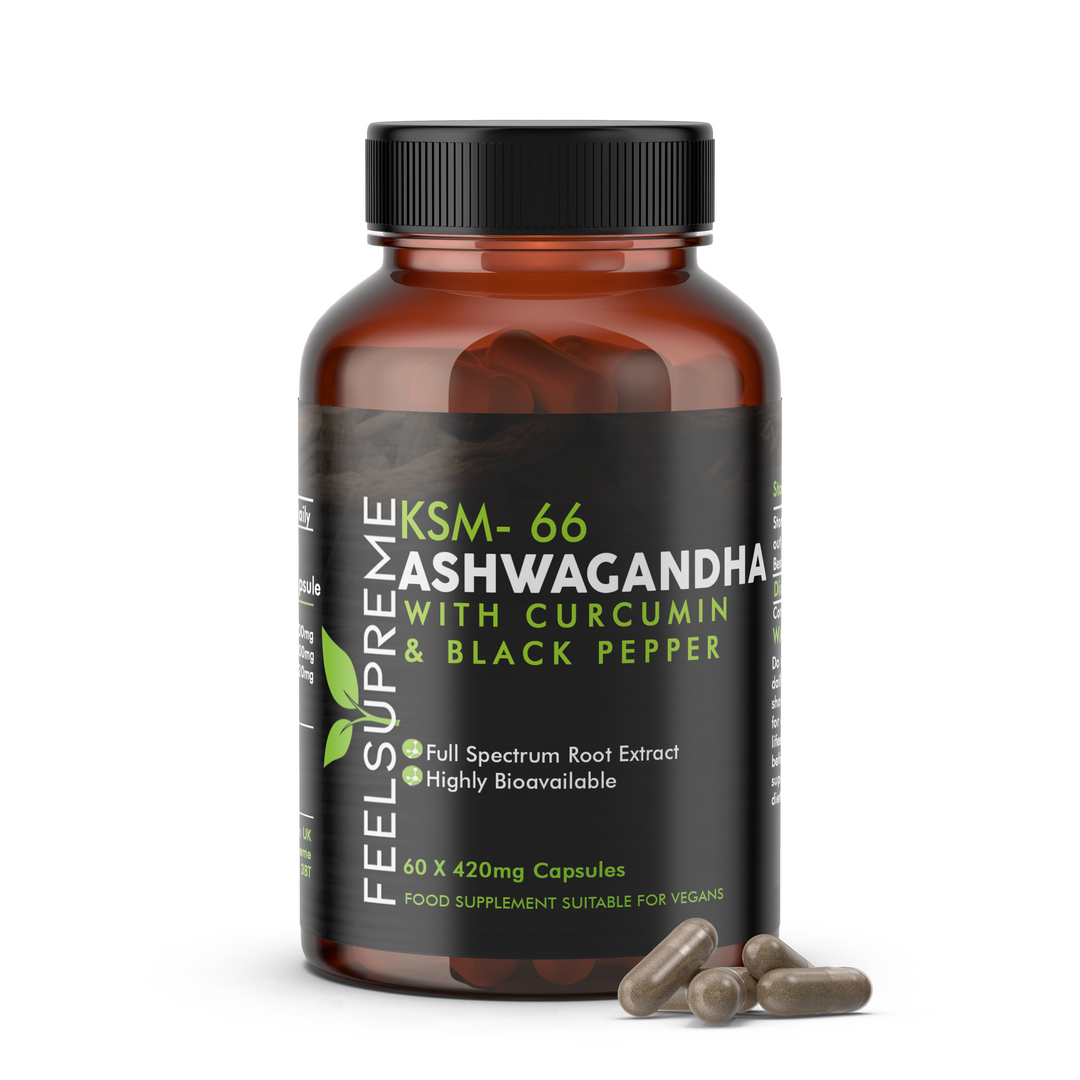
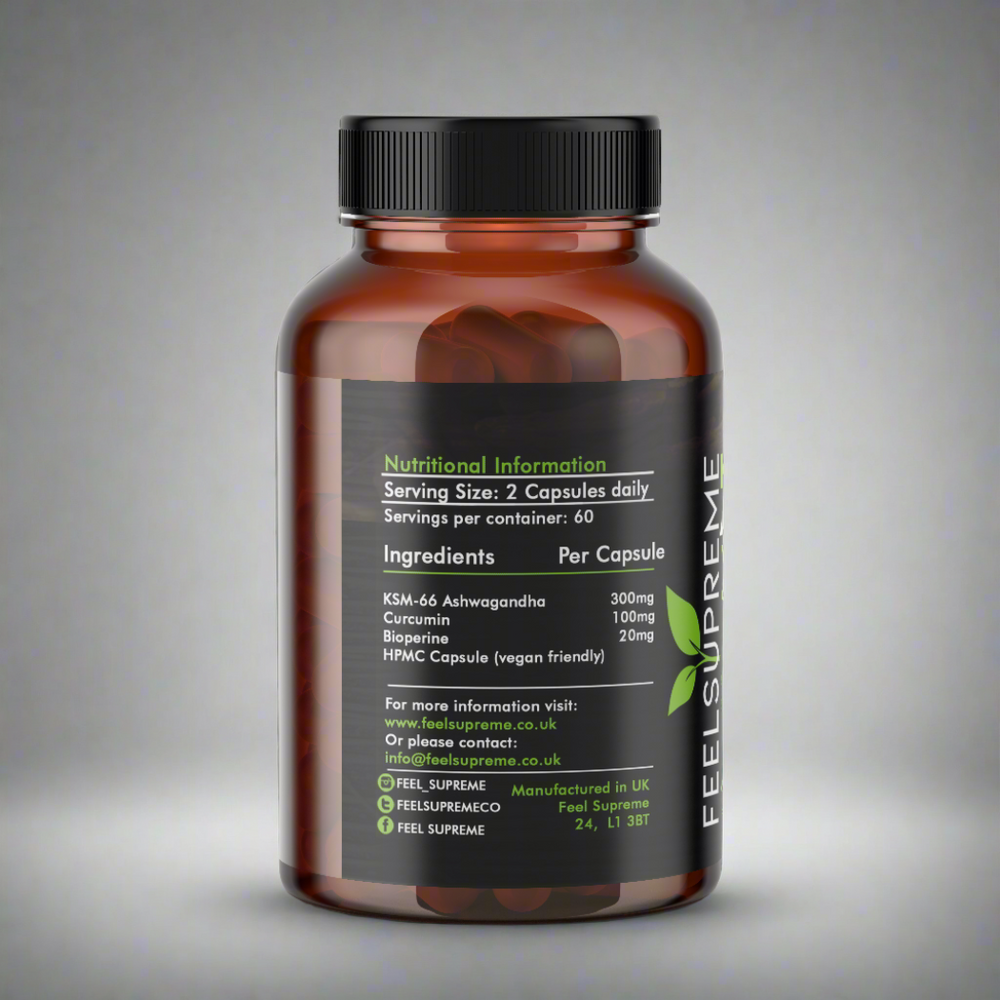
| Ashwagandha | Traditionally used for stress and resilience | No | KSM66 Ashwagandha |
Straight talk: be wary of any product promising to "reset" or "fix" your hormones. The honest version is nutritional support (led by vitamin B6), traditionally-used botanicals, and the basics — sleep, balanced meals, movement and stress management. Persistent symptoms need a GP, not a stronger supplement.
How to choose a hormone balancing supplement
- Match it to your stage: cycle and PMS support (B6, magnesium, B-complex) versus menopause support (shatavari, and see our menopause guide).
- Look for vitamin B6 — the nutrient with the authorised hormonal-activity role.
- Check the botanicals are honestly described — "traditionally used," not miracle claims.
- Prefer gentle, well-absorbed forms (e.g. magnesium bisglycinate) and sensible daily doses.
- Give it time — cycle-related support is best judged over two to three full cycles. See how long vitamins take to work.
What supplements can't do — and when to see your GP
Supplements provide nutritional support; they don't diagnose or treat hormonal conditions. See your GP if you have very irregular or absent periods, severe PMS or symptoms of PMDD, signs of PCOS, unusually heavy bleeding, or menopause symptoms affecting your daily life — these deserve proper assessment, and options like HRT are a medical conversation. For trusted information, the NHS pages on periods and menopause are good starting points.
Frequently asked questions
What are the best female hormone balance supplements?
Look for vitamin B6, which contributes to the regulation of hormonal activity, alongside magnesium and a B-complex for mood and energy. For the menstrual cycle, a formula like Cycle Bloom combines these; for menopause, a researched shatavari extract like Meno Bloom. No single supplement suits everyone — match it to your life stage.
What vitamins balance hormones for females?
Vitamin B6 is the standout, as it contributes to the regulation of hormonal activity. Magnesium and the wider B-vitamins support the mood, nervous system and energy changes that come with hormonal shifts, while iron matters for women prone to deficiency through menstruation.
Do hormone balancing supplements actually work?
They support the nutritional foundation your body uses as hormones fluctuate — they don't override your natural cycle or "reset" your hormones. Vitamin B6 has a recognised role; botanicals are traditional-use. Set realistic expectations and give any routine two to three cycles.
Can supplements help with PMS?
Vitamin B6 and magnesium support mood, psychological function and the reduction of tiredness that many women notice before their period. They're nutritional support, not a treatment — if PMS is severe or you suspect PMDD, see your GP.
What helps hormone balance during menopause?
Menopause is driven by falling oestrogen, so it's a distinct stage. Some women choose a researched botanical such as shatavari (a non-hormonal option); others discuss HRT with their GP. Our menopause supplements guide covers it in depth.
Is chasteberry (vitex) safe and effective?
Chasteberry is a botanical traditionally used for monthly cycle support and is included in some women's formulas at supportive doses. It has no authorised UK health claim, so treat it as traditional support rather than proven treatment, and check with your GP or pharmacist if you take medication.
How long do hormone supplements take to work?
Give cycle-focused support two to three full cycles, and daily nutritional support a few weeks to settle in. Consistency matters more than dosing hard early on.
The bottom line
The best female hormone balance supplements aren't magic — they're sensible nutrition for the systems your hormones affect. Vitamin B6 leads (regulation of hormonal activity), supported by magnesium and the B-complex, with traditionally-used botanicals matched to your stage of life. Choose by whether you're supporting your cycle or your menopause, give it time, and see your GP for anything persistent.
Keep reading
- Menopause Supplements UK: What Actually Helps and What to Look For
- Ashwagandha for Stress and Anxiety: Does It Actually Work?
- How Long Do Vitamins Take to Work? A UK Guide (2026)
This article is for general information and is not medical advice. Food supplements are not a substitute for a varied, balanced diet and a healthy lifestyle, and do not diagnose, treat or cure any condition. If you have irregular periods, severe PMS, symptoms of PCOS, heavy bleeding or menopause symptoms affecting daily life, or if you are pregnant, breastfeeding or taking medication, speak to your GP or pharmacist. Health claims referenced are limited to those authorised on the Great Britain Nutrition and Health Claims Register.